

FOCUS ON | NOVEMBER 2026
Finding Your Recovery Advocate: The Power of Someone Who Understands
Certified recovery peer specialists help individuals and families navigate behavioral health services using knowledge gained through lived experience.
Finding treatment for a substance use disorder or mental health condition can be confusing. There are appointments to schedule, insurance questions to answer and programs with different requirements. Families trying to help a loved one may not know where to begin.
That’s where a certified recovery peer specialist can help.
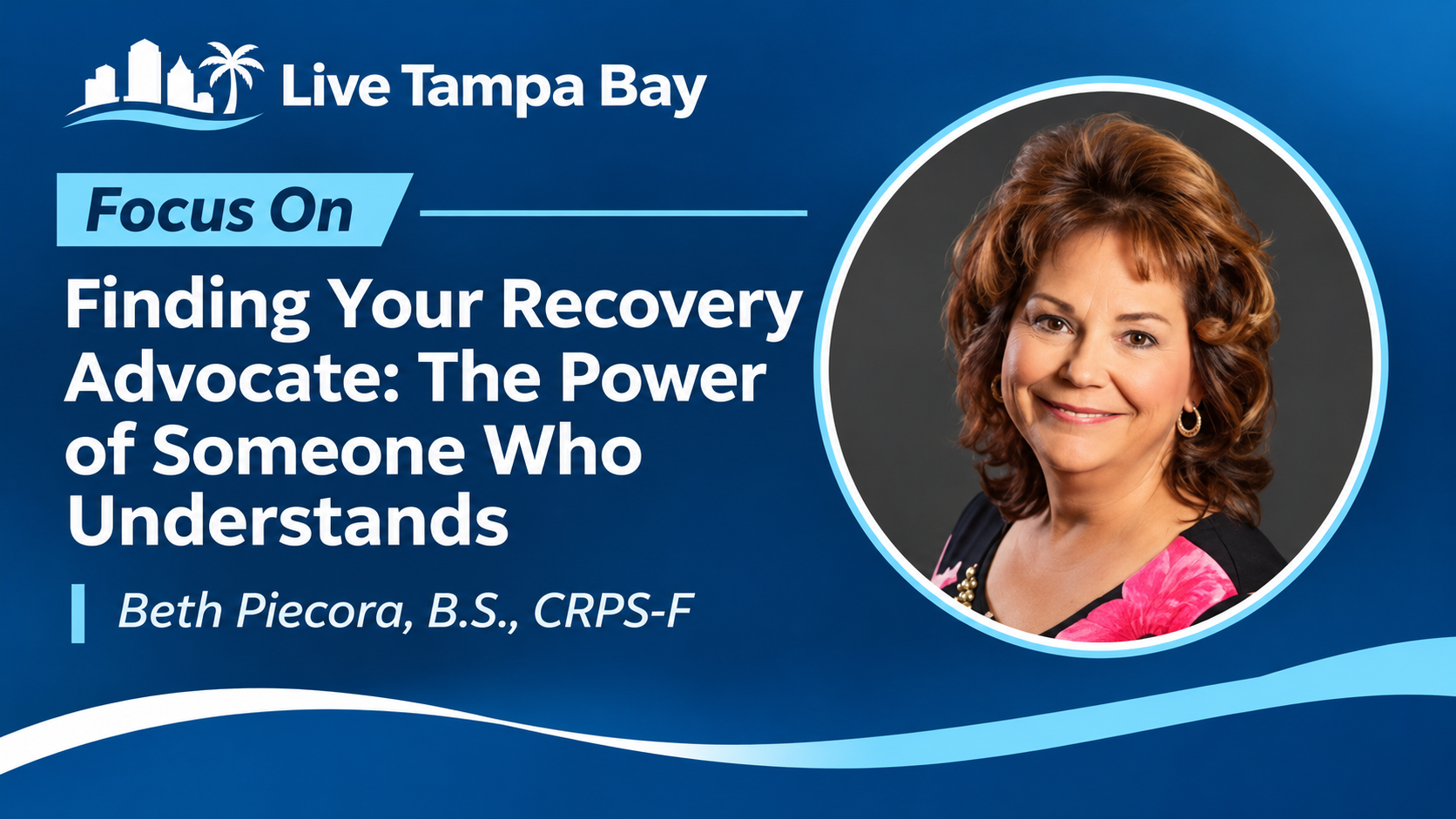
Beth Piecora, B.S., CRPS-F, has spent nearly three decades helping people navigate behavioral health systems. She is a Consumer and Family Affairs Specialist with the Central Florida Behavioral Health Network (CFBHN). Her work is informed by years of professional experience and her own family’s experiences with mental health challenges.
What Does a Peer Specialist Do?
A Certified Recovery Peer Specialist (CRPS) is trained to help others using lived experience with mental health or substance use challenges. Some specialists have been through recovery themselves. Others, including those with a CRPS-F family endorsement, have supported a loved one.
Peer specialists aren’t therapists. They don’t diagnose conditions or prescribe medication. Instead, they provide practical support, such as helping someone find services, prepare for an appointment, understand available programs or explain their needs to a provider.
For a parent seeking help for a child, it can mean talking with someone who understands the frustration of complicated eligibility rules and unfamiliar terminology. That personal understanding can make an already difficult process feel more manageable.
“Do For, Do With, Cheer On”
Piecora describes peer support in three stages: “Do for, do with, and cheer on.”
At first, a person may need help making phone calls, finding services or taking other steps that seem overwhelming. As that person gains confidence, the specialist works alongside them instead of handling every task.
Eventually, the specialist’s role may shift mostly to encouragement. The person has more tools to make decisions and work through challenges independently, with someone available for support when needed.
Turning Experience Into a Career
Piecora’s family experiences also shaped her approach to advocacy. She understands why individuals and families need to be heard and involved in decisions about their care.
CFBHN supports peer workforce development and helps connect behavioral health treatment with community recovery services across the SunCoast region. But people seeking careers in peer support can face barriers.
Piecora has raised concerns about background-screening requirements that may prevent qualified applicants from working as peer specialists, particularly when their past includes involvement with the justice system. The challenge is finding ways to maintain appropriate standards while allowing people to use their recovery experiences to help others.
Finding Peer Support
Individuals and families can ask their behavioral health provider, a recovery community organization or a regional service network about certified peer-support services. It’s also worth asking whether a specialist has experience with their particular needs, such as substance use recovery, mental health or family support.
Peer specialists can help at different points in recovery, not just when someone first seeks treatment. Whether a person needs help finding a service or managing a new challenge, having someone who understands the process can be valuable.
Where to Find Peer Support
Central Florida Behavioral Health Network
Information about recovery peer specialists and resources across the SunCoast region.
CFBHN Recovery Peer Specialists
Phone: 813-740-4811
Florida Certification Board
Information about Certified Recovery Peer Specialist credentials and endorsements.
